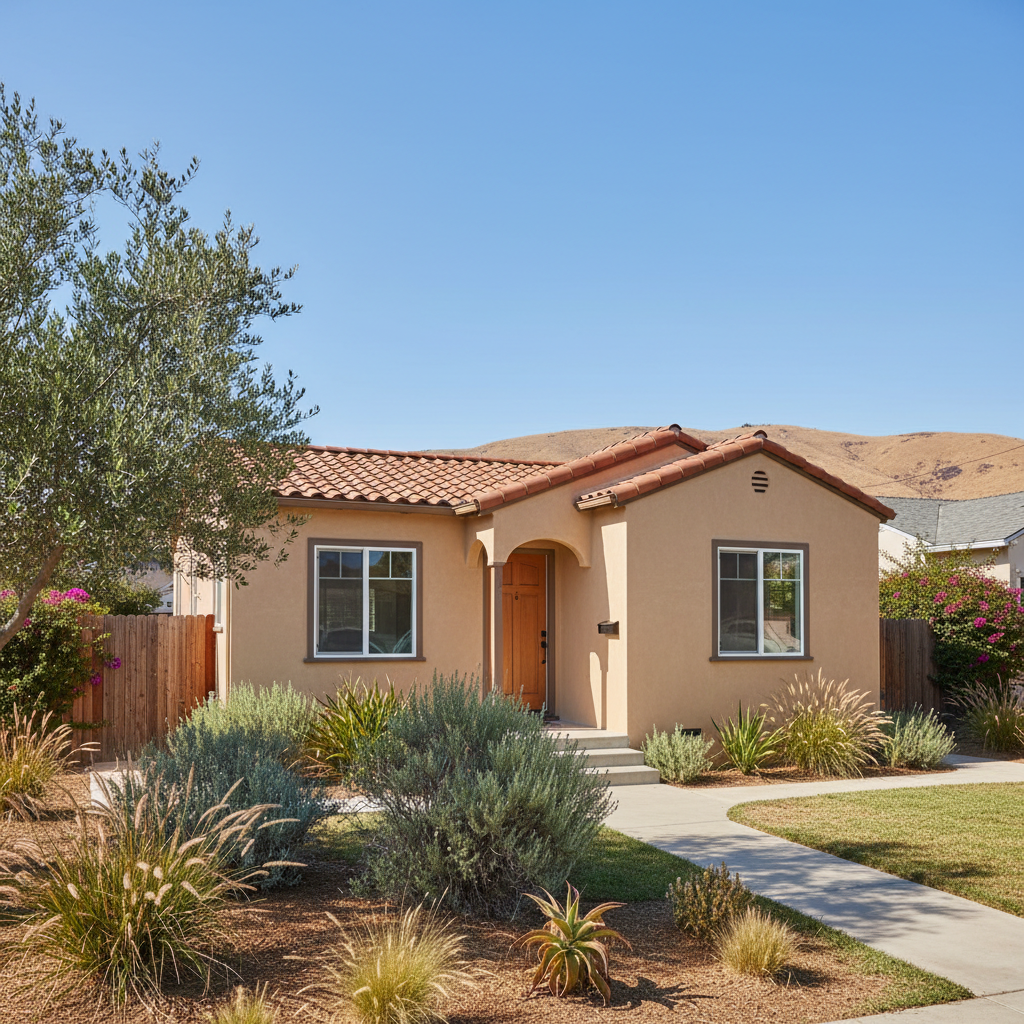
Alright, let's talk brass tacks about stucco replacement costs here in Ventura. It's one of those big home improvement projects, and honestly, nobody wants to get surprised by the bill. I've been doing this for a long time at Ventura Stucco & Plastering, and trust me, I've seen pretty much every scenario you can imagine. So, what's it really going to set you back?
What Makes the Cost Go Up (or Down)?
You know how it is, nothing's ever just a simple flat fee. Stucco replacement is no different, not really. A few key things really push the price around:
- Your Home's Size: This one's a no-brainer, right? A small 1,200 sq ft bungalow in Midtown will obviously cost a lot less than a sprawling 3,500 sq ft place up in the hills. We usually price by the square foot of wall surface, not just your house's footprint. And don't forget about eaves, gables, and any architectural bump-outs—they all add up.
- The Old Stucco and Substrate's Condition: This is a big one, perhaps the biggest. If your old stucco is just cracked and faded, that's one thing. But if it's got significant water damage, dry rot, or mold underneath? That's a whole different ballgame entirely. We'll have to deal with those issues before new stucco goes on, and that means extra labor and material costs. Sometimes, especially in older homes near the beach where the salt air can be brutal, the sheathing behind the stucco might even be compromised.
- What Kind of Stucco System You Choose: Are we talking about a traditional 3-coat system, or a modern EIFS (Exterior Insulation and Finish System)? Most homes around here use traditional stucco, which is generally more affordable than EIFS. But even within traditional options, there are variations in finishes and materials that affect the final price.
- How Complex the Job Is: Lots of windows? Intricate architectural details like arches, corbels, or fancy trim? Multiple stories? All these things add time and require more skilled labor, which, naturally, means more cost. Simple, flat walls are always cheaper. Accessibility matters too; if we need extensive scaffolding because your house is on a steep lot, well, that's an extra expense.
- Permits and Inspections: Yes, you'll need them. Don't even think about skipping this step. It protects you and ensures the work is done to code. The cost of permits varies, but it's a necessary part of the project.
- Waste Disposal: Tearing off old stucco creates a lot of debris. Hauling that away costs money, especially with landfill fees.
Typical Cost Ranges for Stucco Replacement in Ventura
Okay, let's get to some numbers. I'm going to give you ranges, but remember, these are just estimates. You really need a detailed quote for your specific property to get an accurate figure.
For a full stucco replacement, which includes tearing off the old material, making any necessary repairs to the substrate, putting up new paper/lath, and a 3-coat system with a standard finish, you're generally looking at:
- Small to Medium Homes (1,200 - 2,000 sq ft of wall surface): Expect to pay anywhere from $15,000 to $30,000.
- Medium to Large Homes (2,000 - 3,500 sq ft of wall surface): This range typically falls between $25,000 and $50,000.
- Larger or More Complex Homes (3,500+ sq ft of wall surface or intricate designs): You could be looking at $45,000 and upwards, sometimes significantly higher depending on the scope of work and any hidden damage we uncover.
These figures break down to roughly $7 to $15 per square foot of wall surface, but again, that's a very rough average. If we find extensive dry rot or structural issues, that per-square-foot cost can jump quickly, believe me.
What Should Be in Your Quote?
When you get a quote from Ventura Stucco & Plastering, or any other reputable contractor, it should be detailed. Don't accept a one-liner; that's just asking for trouble. Here's what you should expect to see:
- Scope of Work: A clear description of what's being done. Is it a full tear-off? Partial? What kind of system are they planning to use?
- Material Breakdown: What type of stucco, lath, paper, and finish coat are they using? Specific brands if possible, please.
- Prep Work: Details on surface preparation, including any necessary repairs to sheathing or framing.
- Labor Costs: This might be bundled, but it should be clear that labor is included in the price.
- Permit Costs: Who's pulling the permits? Usually, it's the contractor, but it's good to confirm.
- Waste Removal: Confirmation that debris removal is part of the price.
- Warranty Information: What kind of warranty do they offer on materials and workmanship?
- Payment Schedule: How and when payments are due.
If a quote is vague, just walk away. You're setting yourself up for change orders and arguments later, plain and simple.
How to Avoid Overpaying
Nobody likes to feel ripped off. Here's my advice for getting a fair price:
- Get Multiple Bids: This is crucial. Don't just get one quote. Get at least three detailed bids from different licensed contractors. This helps you compare apples to apples and understand the market rate for your specific project.
- Check Licenses and Insurance: Make sure any contractor you consider is properly licensed (CSLB) and insured (liability and workers' comp). Ask for proof. If they can't provide it, they're not worth your time.
- Ask for References: A good contractor will happily provide references. Call them! Ask about their experience, communication, and if the project stayed on budget.
- Don't Go for the Cheapest Bid: Seriously, this is a big one. The cheapest bid often means corners are being cut, or they've simply missed something important. You usually get what you pay for in construction. A bid that's significantly lower than others is a huge red flag.
- Understand the Contract: Read every single word before you sign. If you don't understand something, ask. Don't be afraid to negotiate terms or ask for clarification.
- Avoid Large Upfront Payments: In California, contractors generally can't ask for more than 10% or $1,000 (whichever is less) as a down payment. If someone asks for half upfront, that's a huge warning sign, don't you think?
Replacing your stucco is a significant investment, but it's one that protects your home and boosts its curb appeal. Do your homework, ask the right questions, and you'll get a great result without breaking the bank.