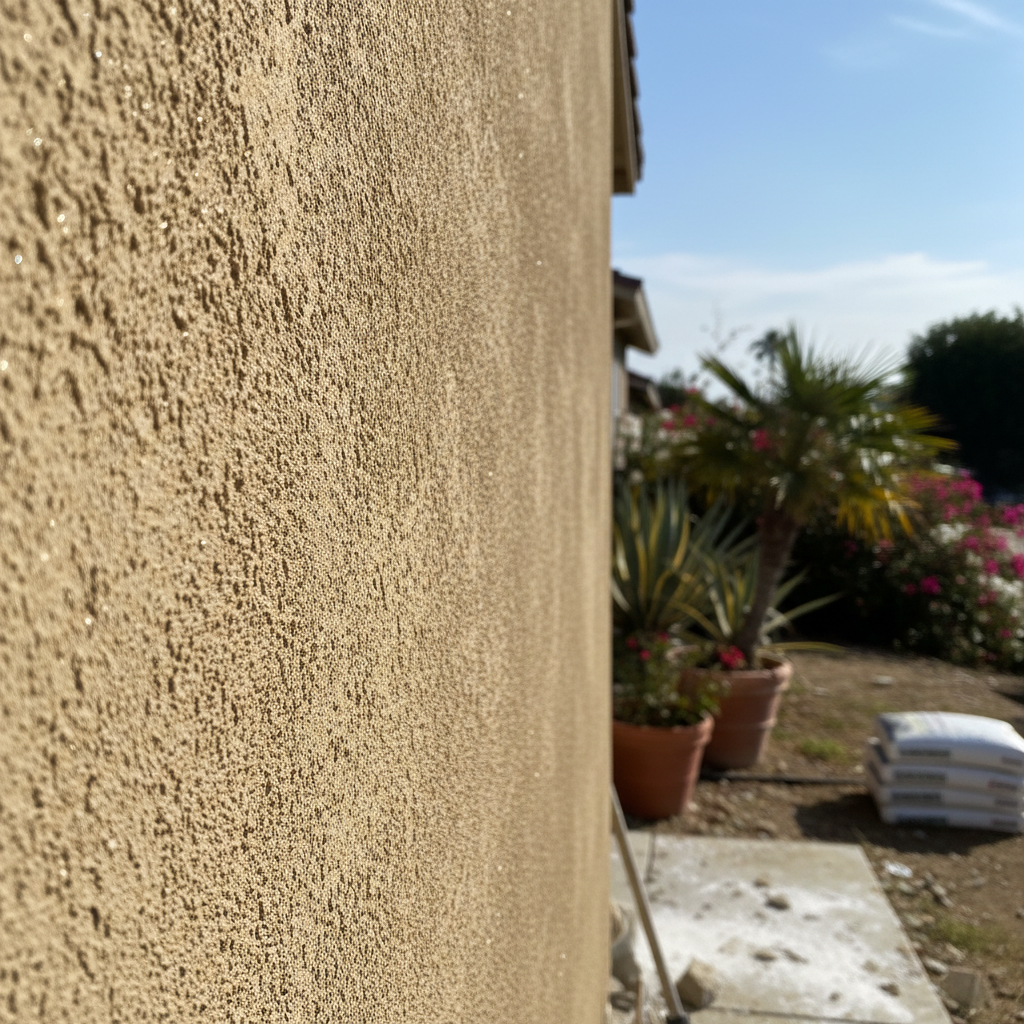
Why do people even remove stucco in Ventura?
That's a fair question, especially since stucco is so common around here. You see it everywhere, from the older homes in the Pierpont area to the newer builds up in the hills. Most of the time, folks want to remove stucco for a few main reasons. The biggest one is usually a major aesthetic change. Maybe they bought an older house with a dated stucco finish, or they just don't like the texture or color anymore and want a different look, like siding or brick. Sometimes, it's about fixing persistent problems. If stucco has been improperly installed or repaired over the years, you can get chronic cracking, water intrusion, or even mold issues underneath. Instead of patching it endlessly, some homeowners decide to just take it all off and start fresh. It's a big decision, but often it's about getting to the root of a problem or achieving a completely new curb appeal.
Is stucco removal a DIY job, or should I hire a pro?
Look, I'm all for homeowners tackling projects they're comfortable with. But let me be straight with you: stucco removal is *not* a typical DIY job. It's incredibly labor-intensive, messy, and can be dangerous if you don't know what you're doing. You're dealing with heavy materials, often working at heights, and generating a massive amount of dust and debris. Plus, you need specialized tools for efficient removal, and you've got to think about protecting your landscaping, windows, and even your neighbors' property from all that dust. More importantly, once the stucco is off, you're exposing your home's sheathing and framing to the elements. You need to know how to properly assess the condition of what's underneath and prepare it for the new exterior. If you're not experienced with construction, you could end up doing more harm than good, leading to costly repairs down the line. Save yourself the headache and potential hazards; this is one for the pros, like us at Ventura Stucco & Plastering.
How long does stucco removal usually take?
That's like asking how long a piece of string is, but I can give you a general idea. The timeline really depends on a few things: the size of your house, how many layers of stucco are on there (some older homes have multiple coats), and the complexity of the architectural details. A smaller, simpler home might take a few days for just the removal phase. A larger, more intricate house with lots of corners, windows, and architectural elements could easily take a week or even longer. And that's just the removal. You then have to factor in the time for any necessary repairs to the sheathing or framing, and then the installation of your new siding or finish. Don't expect it to be an overnight job. We always give a detailed timeline after we've had a chance to look at your specific property.
What kind of mess should I expect during the process?
Oh, expect a mess. A big one. Stucco removal is inherently dusty and dirty. We're essentially chipping away concrete-like material from your house. There will be dust – fine, powdery dust – everywhere. It'll settle on your plants, your driveway, your car, and if not properly contained, it can even drift to your neighbors' yards. That's why we take extensive measures to protect your property. We'll tarp off landscaping, cover windows, and set up dust barriers. We also use specialized equipment to minimize airborne particles where possible. Then there's the debris. Chunks of stucco will be falling off your house, and we'll need a way to collect and dispose of it, usually a large dumpster. It's not a pretty process, but we do everything we can to keep it as contained and clean as possible.
What's underneath the stucco, and what if it's damaged?
Once the stucco comes off, you'll typically see a few layers. First, there's usually a building paper or house wrap, which acts as a moisture barrier. Underneath that, you'll find the lath – either metal mesh (like chicken wire) or a fiberglass mesh – which the stucco was applied to. And then, finally, you'll get to the sheathing, which is the structural layer of your wall, usually plywood or OSB (oriented strand board). Sometimes, on older homes, you might even find original wood siding or planks directly under the lath. It's not uncommon to find some damage once the stucco is removed, especially in a coastal climate like Ventura where moisture can be an issue. We might uncover dry rot in the sheathing or framing, especially around windows or areas where water might have penetrated. If we find damage, we'll stop, show you exactly what's going on, and discuss the best way to repair it before moving forward. It's crucial to address these issues properly to ensure the integrity of your home and the longevity of your new exterior.
Can I put new stucco over old stucco instead of removing it?
Sometimes, yes, but it really depends on the condition of the existing stucco and what you're trying to achieve. If your existing stucco is structurally sound, without significant cracking, delamination, or water damage, and you just want a fresh look or a minor texture change, then a re-dash (applying a new finish coat over the old) or a thin coat system can be an option. It's less invasive and often more cost-effective than full removal. However, if the old stucco is failing, has extensive cracking, or you're dealing with underlying moisture problems, then putting new stucco over it is just covering up the problem. It won't fix the root cause and you'll likely run into issues again. Plus, adding new layers increases the wall thickness, which can sometimes create issues around windows and doors. We'd need to inspect your current stucco to give you an honest assessment of whether a re-dash is a viable, long-term solution for your home.