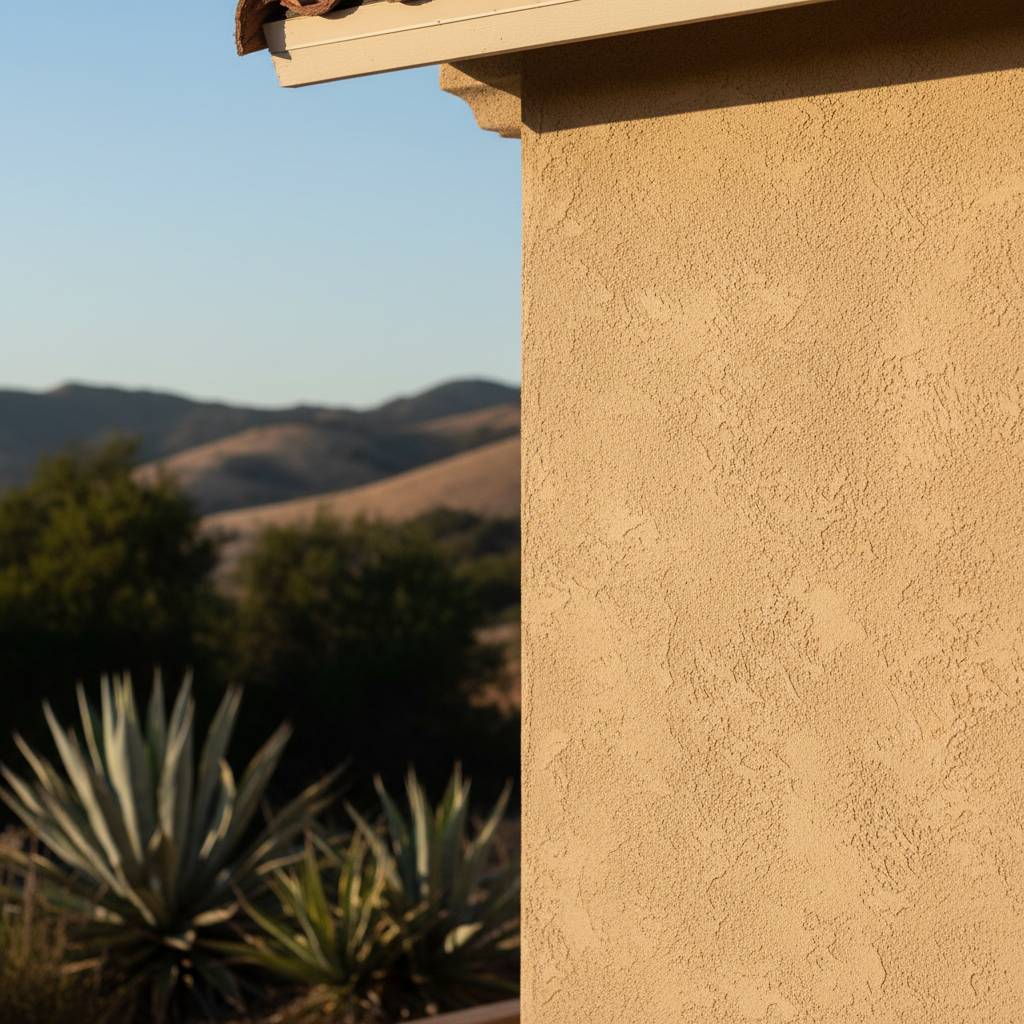
Alright, let's talk redashing. I get a lot of calls from folks around Ventura – from the hillside homes in the Ondulando area to the classic bungalows downtown – asking all sorts of questions about giving their stucco a fresh start. It's a big decision, and you want to get it right. So, I've put together answers to the most common questions I hear. This isn't marketing fluff; it's what I've seen on the job for years.
What exactly is stucco redashing, and why would I need it?
Simply put, redashing is applying a new finish coat of stucco over your existing stucco. It's not a full tear-off and re-stucco job, which is a much bigger undertaking. Think of it like putting a fresh coat of paint on a wall, but with a much more durable, textured material that actually protects your home. You'd need it for a few main reasons: your existing stucco is looking tired, faded, or chalky; it's got a lot of minor cracks that you want to hide and seal up; or maybe you just want a completely new look or color without the expense of a full re-stucco. It's a great way to revitalize your home's curb appeal and add a layer of protection without breaking the bank.
How long does a redashing project typically take?
That's a common one, and the answer really depends on the size and complexity of your home. For an average-sized Ventura home, say around 1,500 to 2,000 square feet, you're usually looking at anywhere from 3 to 7 days from start to finish. That includes all the prep work – which is crucial, by the way – applying the new finish coat, and then the cleanup. If there's a lot of intricate trim work, multiple levels, or extensive repairs needed before we even start the redash, it could take a bit longer. We'll give you a clear timeline upfront once we've had a look at your place.
Will redashing fix all the cracks in my old stucco?
This is where it gets a little nuanced. Redashing is fantastic for covering and sealing up those hairline cracks and minor surface imperfections that naturally develop over time. It essentially gives your home a fresh, smooth, or textured skin. However, it's not a magic bullet for structural issues. If you have larger, deeper cracks, or cracks that are actively moving – often a sign of foundation problems or significant structural shifts – we'll need to address those first. We'll repair those larger cracks properly, usually by opening them up, filling them with a suitable patch, and then reinforcing them before we even think about redashing. Ignoring bigger cracks means they'll just reappear in your new finish, and nobody wants that. My team at Ventura Stucco & Plastering always does a thorough inspection to make sure we're not just putting a band-aid on a bigger problem.
What's the cost difference between redashing and a full re-stucco?
There's a pretty significant difference, and it's usually why people opt for redashing. A full re-stucco involves tearing off the old stucco down to the lath (or even the sheathing), inspecting the substrate, making any necessary repairs, and then applying all three coats of new stucco (scratch, brown, and finish). That's a labor-intensive, material-heavy process. Redashing, on the other hand, skips those first two coats and just applies a new finish coat over the existing, properly prepared brown coat. Because of that, redashing is typically 30% to 50% less expensive than a full re-stucco. It's a cost-effective way to get a fresh look and renewed protection without the higher price tag and longer project duration of a complete overhaul.
Do I need to do anything to prepare my home for redashing?
Absolutely, your preparation helps us do our best work efficiently. Before we arrive, we'll ask you to clear the areas around your home – move patio furniture, potted plants, grills, and anything else that's close to the walls. We'll take care of covering windows, doors, light fixtures, and landscaping to protect them from stucco splatter. Trimming back any bushes or trees that are right up against the house is also a huge help; it gives us the space we need to work properly and ensures a consistent finish. If you have any outdoor electrical outlets or spigots, just make sure they're easily accessible for us to mask off.
How long does a redashed stucco finish last?
With proper application and good quality materials, a redashed stucco finish can easily last 15 to 25 years, sometimes even longer. It's incredibly durable. The key factors are how well the existing stucco was prepared, the quality of the new finish coat material, and the skill of the application. Of course, regular maintenance helps too – things like keeping your gutters clean, addressing any leaks promptly, and maybe a gentle wash every few years. Our Ventura climate, with its coastal moisture and occasional strong sun, means using good quality, UV-resistant materials is important to prevent premature fading or chalking.
Can I change the color and texture when I redash?
You bet! That's one of the best parts about redashing. It's your chance to completely transform the look of your home. You can go from a smooth finish to a sand finish, or a Santa Barbara finish, or something else entirely. And the color options are practically endless. We'll provide you with samples and help you pick a color that complements your home's style and the surrounding landscape. Just remember, the texture you choose will affect how the color appears in different light, so it's good to see samples in natural light if you can.
What if my old stucco has lead paint or asbestos?
That's a serious question and one we take very seriously. If your home was built before 1978, there's a chance the old stucco might have lead paint. If it's a much older home, say pre-1980s, there's a very small possibility of asbestos in some stucco mixtures, though it's less common than in other building materials. We're not certified to test for these, but if there's any suspicion, we'll recommend you get a professional testing service involved before we start any work. Your safety and our team's safety are paramount. If lead or asbestos is detected, specific remediation protocols would need to be followed, which would impact the project timeline and cost, but it's essential to handle it correctly.