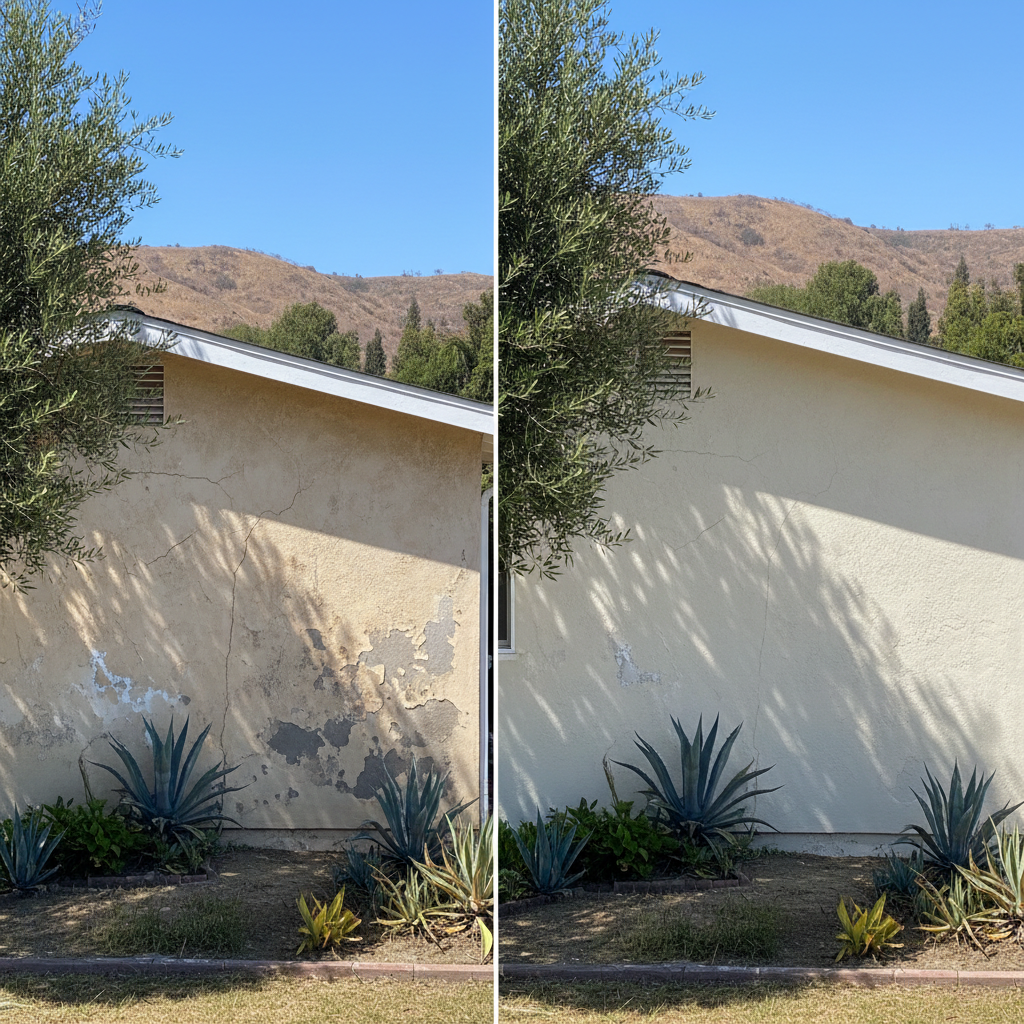
So, you're thinking about sprucing up your stucco, huh? Good call. A fresh coat of paint doesn't just make your place look sharp; it actually protects your whole investment. But when it comes to stucco, you can't just grab any old can off the shelf. You've really got two main options to consider: your everyday acrylic latex paint and those heavy-duty elastomeric coatings. Let's dig into what each one offers, especially for us folks right here in Ventura.
Regular Acrylic Latex Paint on Stucco
This is probably what pops into most people's heads when they hear "house paint." It's easy to find, comes in pretty much every color imaginable, and, honestly, it's usually cheaper upfront. You can definitely find good quality acrylics made for outside use, and they'll do a decent job for a little while.
- Cost: This is definitely the more budget-friendly pick to start. The materials cost less, and since it's generally quicker to put on, labor might be a bit cheaper too.
- Durability: It holds up pretty well. A good acrylic will keep its color and shield your stucco from the sun and light rain for a few years. But here's the thing: it won't bridge hairline cracks. If your stucco already has some movement or tiny fissures, that acrylic paint will just crack right along with it. Our Ventura sunshine, you know, it's relentless, and those UV rays can really break down the binders over time. That means chalking and fading might happen sooner than you'd like.
- Maintenance: Expect regular cleaning, just like any outside paint. If a crack shows up, you'll need to patch it and repaint that spot.
- Appearance: Looks fantastic right after it's applied. You get a really clean, fresh finish.
Elastomeric Coatings for Stucco
Now, this is a whole different animal. Elastomeric paint isn't really "paint" in the way we usually think of it; it's more like a super-thick, flexible coating. Picture it as a liquid rubber that stretches and shrinks right along with your stucco.
- Cost: No sugar-coating it, this option is pricier. The material itself costs more per gallon, and because it's a thicker product, it takes more effort and often specialized gear to put on correctly. You're looking at a noticeably higher upfront cost.
- Durability: This is where elastomeric really shines. It's incredibly tough. It forms a thick, waterproof membrane that can bridge hairline cracks — sometimes up to 1/16th of an inch, believe it or not — and stop new ones from forming when the stucco moves a bit. It fights off UV damage much better, so it keeps its color and integrity for longer. This stuff is built to last, often protecting your home for 10-20 years, maybe even more. It's fantastic at keeping moisture out, which is a huge deal if you have older stucco or live closer to the ocean where humidity can be a factor.
- Maintenance: Super low. Because it's so flexible and waterproof, it resists staining and mildew better than regular paint. When it does get dirty, a good wash usually cleans it right up.
- Appearance: It tends to have a slightly thicker, sometimes almost rubbery, look compared to regular paint. Some folks really like that robust feel; others prefer the thinner finish of acrylic. It comes in a wide range of colors, just like regular paint.
Which One Should You Choose for Your Ventura Home?
Here's my honest opinion, after working on stucco all over Ventura, from the older places in the Pierpont area to the newer builds up in the hills. For most homeowners, especially considering our climate and the common stucco issues we see, I almost always lean towards elastomeric coatings.
Why? Well, we get a ton of sun, and that sun causes things to expand and contract. Plus, lots of homes, especially the older ones, have minor stucco cracking. Regular paint just doesn't stand a chance against that kind of movement. It'll crack, and then you've got water getting in, which eventually leads to bigger problems down the road. Elastomeric handles that movement beautifully. It creates a fantastic barrier against moisture, which is key for stopping stucco damage and mold.
Yes, the upfront cost is higher. I get it. Nobody enjoys spending more money than they have to. But try to think of it as an investment. You're paying more now to get a coating that will last two or three times longer than regular paint, need less upkeep, and give your home's exterior superior protection. Over the coating's lifespan, you'll probably save money because you won't be repainting as often.
If your stucco is brand new, perfectly smooth, and you're planning to sell in a couple of years, maybe regular acrylic is just fine. But for homeowners who plan to stay put and want the best protection with the least hassle — especially with how our coastal air and sun can beat down on a house — elastomeric is the clear winner. What do you think?
We've done countless stucco painting jobs with both types, and the feedback on elastomeric is always about how well it holds up. It's just a tougher, smarter choice for Ventura stucco. If you're still on the fence, give us a call at Ventura Stucco & Plastering. We can check out your specific situation and give you a recommendation that makes sense for your home and your budget.