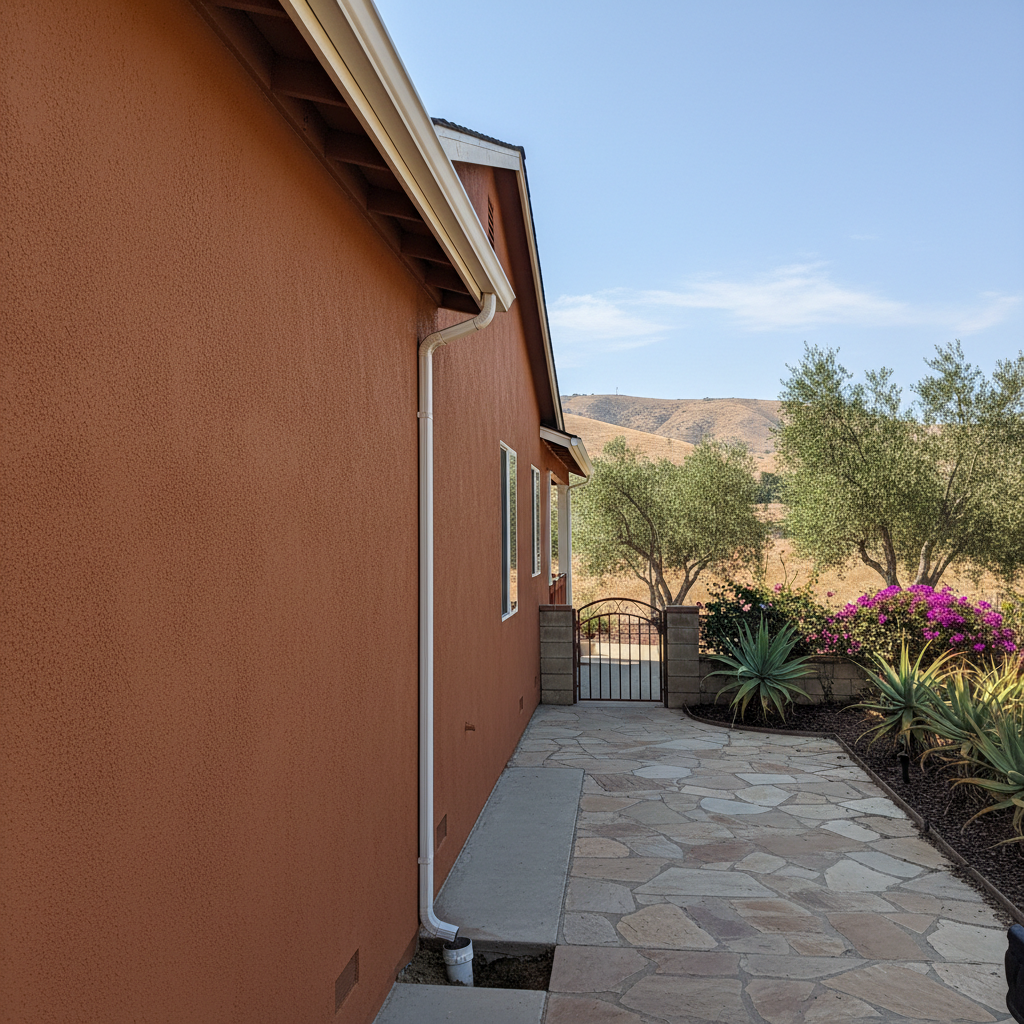
Protecting Your Stucco Redash Investment
So, you've just had your stucco redashed, or maybe you're thinking about it. Great decision! A fresh stucco finish can totally transform a home, boosting curb appeal and protecting your structure. But getting it done is only half the battle. If you want that new finish to last, especially here in Ventura where we get that salty air and occasional heavy rain, you've gotta take care of it. Think of it like a new car – you wouldn't just drive it off the lot and never wash it, right? Same idea with your stucco.
We've done countless redash jobs across Ventura, from the older homes in the Pierpont area to the newer builds up in the hills, and I've seen firsthand what good maintenance can do. It's not rocket science, but it does require a little attention.
Regular Maintenance: Simple Steps for Long-Lasting Stucco
The good news is, keeping your stucco looking good isn't a full-time job. Most of what you need to do is pretty straightforward.
- Keep it Clean: This is probably the biggest one. Dirt, dust, pollen, and even mildew can build up, especially on north-facing walls that don't get as much sun. A gentle rinse with a garden hose is often all you need. For tougher spots, you can use a soft-bristle brush and a mild detergent solution – think dish soap and water. Just make sure to rinse thoroughly afterwards. Don't use a high-pressure washer unless you really know what you're doing, and even then, keep the pressure low and the nozzle far away. You can easily damage the finish, especially if it's a softer, more traditional stucco.
- Trim Landscaping: Bushes, trees, and vines growing directly against your stucco are a big no-no. They hold moisture against the wall, which can lead to mildew, staining, and even compromise the stucco over time. Plus, branches rubbing against the surface can scuff and scratch it. Keep plants trimmed back at least 6-12 inches from the wall.
- Check Your Gutters and Downspouts: This is huge, especially during our rainy season. Clogged gutters or downspouts that dump water directly onto your stucco or foundation are asking for trouble. Water is stucco's biggest enemy. Make sure your gutters are clear and that downspouts extend far enough away from your home to direct water properly.
Warning Signs: What to Look For
Even with good maintenance, things can happen. Knowing what to look for can help you catch small issues before they become big, expensive problems.
- Cracks: Hairline cracks are pretty common and usually not a huge deal. They're often just surface shrinkage. But if you see cracks that are wider than a credit card, or if they're extending in a spiderweb pattern, or if you can see the lath or substrate underneath, that's a red flag.
- Stains and Discoloration: Beyond general dirt, look for dark streaks, green or black patches (mildew/algae), or rust stains. Dark streaks often indicate water running down the wall from a leaky gutter or roof. Rust stains mean there's some metal component, like a nail or flashing, that's corroding.
- Bubbling or Peeling Paint/Finish: If your stucco was painted or had a color coat applied, bubbling or peeling means moisture is trapped behind it, trying to escape. This is a clear sign of a water intrusion issue.
- Soft Spots: If you gently tap on your stucco and it sounds hollow or feels soft, that's a problem. It could mean the stucco has delaminated from the wall, or there's moisture damage behind it.
- Efflorescence: This is that white, powdery substance you sometimes see on masonry. It's mineral salts left behind when water evaporates from the stucco. While not always damaging itself, it's a sign that water is present and moving through your stucco.
When to Call a Professional
Look, I'm a big believer in DIY when it's appropriate. But some things are best left to the pros. You should definitely call someone like us at Ventura Stucco & Plastering if you see any of those major warning signs I just mentioned.
- Significant Cracks: Anything beyond a hairline crack needs professional assessment. We can determine the cause and repair it properly to prevent further damage.
- Persistent Water Intrusion: If you've got bubbling, peeling, or persistent staining that indicates water is getting behind your stucco, don't wait. Water damage can lead to rot in your framing and mold, which are serious structural and health issues.
- Large Areas of Damage: If a big section of your stucco is crumbling, delaminating, or showing widespread deterioration, it's time for an expert.
- Mold or Mildew That Won't Go Away: While you can usually clean surface mildew, if it keeps coming back quickly or is deeply embedded, it might indicate a deeper moisture problem.
- You're Unsure: Honestly, if you're looking at something on your stucco and you're just not sure if it's a problem or not, it's always better to get a professional opinion. A quick inspection can save you a lot of headaches and money down the road.
Your stucco redash is a tough, durable finish, built to withstand our coastal weather. But like anything else, it needs a little love to stay that way. A little regular cleaning and keeping an eye out for those warning signs will go a long way in protecting your home and keeping it looking great for years to come.