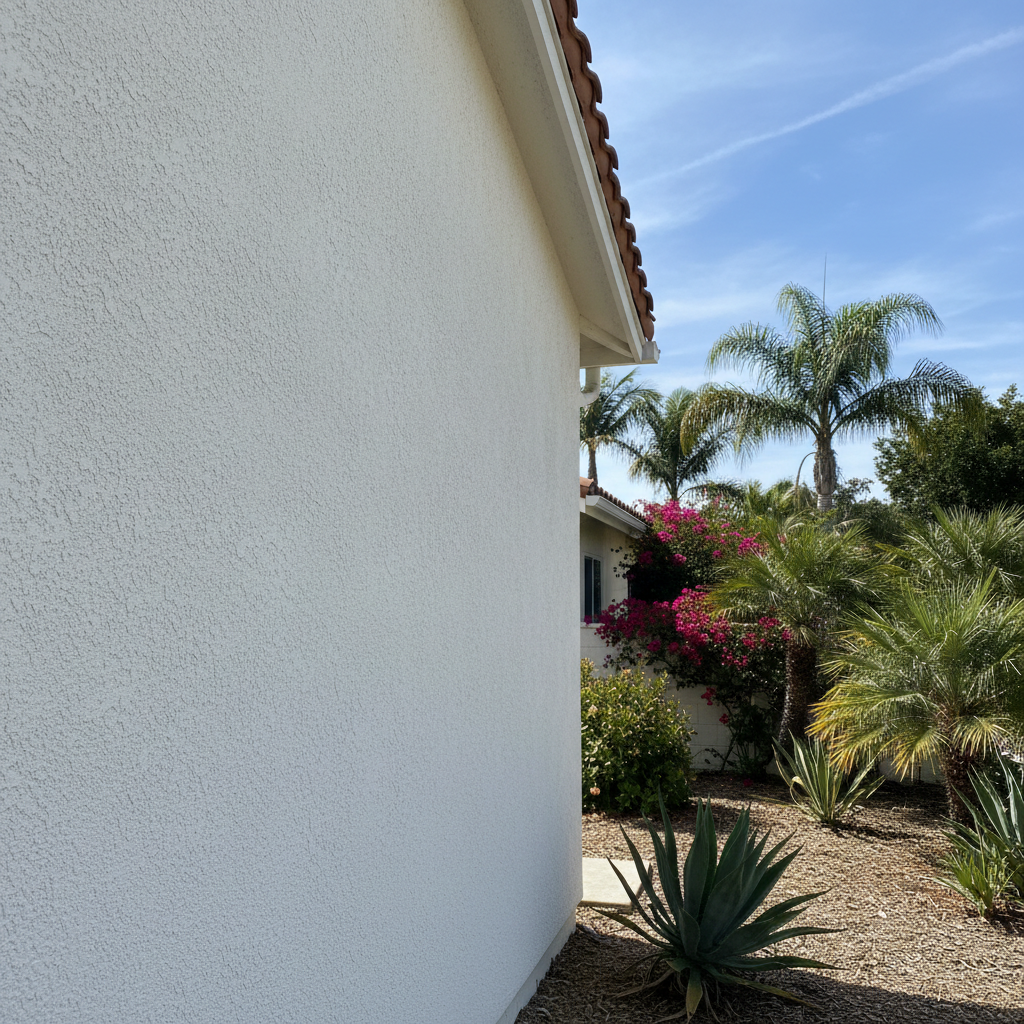
Running a business in Ventura means you've got plenty on your plate. The last thing anyone wants to stress about is their building's exterior falling apart, especially when it's stucco. But here's the real deal: commercial stucco, just like anything else, needs some honest attention if you want it to last. I've seen too many businesses let things slide, and then they're looking at a much bigger bill than if they'd just kept up with it. It's a shame, really.
Extending Your Stucco's Lifespan in Our Climate
Our Ventura climate is pretty mild most of the year, but don't let that fool you for a second. The sun can be brutal out here, and we get a fair amount of marine layer moisture, too. This combination, plus the occasional heavy rain, means your stucco is constantly expanding and contracting, and dealing with dampness. To really extend its life, you've got to think about a few things beyond just looking at it from time to time.
- Proper Drainage is Key: This is huge, absolutely critical. If water is pooling around your foundation or constantly splashing up onto the lower walls, you're just asking for trouble. Make sure your gutters are clear, downspouts direct water away from the building, and landscaping isn't trapping moisture against the stucco. I've seen buildings near the harbor in Ventura where salt spray and constant moisture just eat away at the base if drainage isn't perfect.
- Keep it Clean, But Gently: Dirt, grime, and even mildew can build up, particularly on north-facing walls that don't get as much sun. A gentle power wash (low pressure!) or even just a good scrub with a soft brush and mild detergent can do wonders for it. Don't blast it with high pressure, though; you can damage the finish and force water into places it shouldn't go.
- Sealants and Coatings: Every few years, depending on the type of stucco and its exposure, consider a breathable, high-quality elastomeric coating or a good quality paint. This isn't just about making it look nice; it adds an extra layer of protection against moisture intrusion and UV degradation. Think of it like sunscreen for your building, honestly.
What Regular Maintenance Looks Like
For commercial properties, I recommend a visual inspection at least once a year, maybe twice if your building is particularly exposed or older. You don't need a professional every single time, but someone on your team should know what to look for.
- Walk Around the Building: Seriously, just take a slow walk around the whole perimeter. Look up, look down. What do you see?
- Check for Cracks: Small hairline cracks are often normal, but anything larger than a credit card's width needs attention. Look especially around windows, doors, and where different materials meet.
- Inspect for Stains: Dark streaks, especially under windows or near rooflines, often indicate water intrusion. Green or black patches could be mildew or algae, which means moisture is hanging around too long.
- Look at the Base: The bottom 6-8 inches of your stucco, often called the weep screed or foundation stop, is critical. Make sure it's clear of dirt, landscaping, and isn't buried. This is where water is supposed to drain out, and if it's blocked, you're asking for dry rot or other structural issues.
- Gutters and Downspouts: Are they clear? Are they directing water away from the building? Clogged gutters are a leading cause of stucco problems, no doubt about it.
Warning Signs of Bigger Problems
Some things you just can't ignore. If you see any of these, don't wait. Call someone like us at Ventura Stucco & Plastering right away.
- Bulging or Soft Spots: If you push on the stucco and it feels soft, spongy, or actually bulges out, that's a major red flag. It almost always means water is trapped behind it, and you've likely got wood rot or other structural damage happening.
- Significant Cracks: Cracks that are wide, long, or form a spiderweb pattern are not just cosmetic. They're entry points for water, and they can indicate structural movement or serious underlying issues.
- Discoloration or Efflorescence: White, powdery residue (efflorescence) often means water is moving through the stucco and depositing salts on the surface. Dark, persistent staining that doesn't wash off is also a bad sign.
- Stucco Detaching: If you see pieces of stucco flaking off, crumbling, or actually separating from the wall, you've got a serious issue. This could be due to poor adhesion, water damage, or structural problems.
- Persistent Mildew/Algae Growth: While some mildew is normal in damp areas, if it's a constant battle or covers large sections of your building, it means you have a persistent moisture problem that needs to be addressed at its source.
When to Call a Professional
Look, I'm a big believer in DIY for small stuff, but some jobs are just too important to mess up. You should call a professional stucco contractor when:
- You see any of the